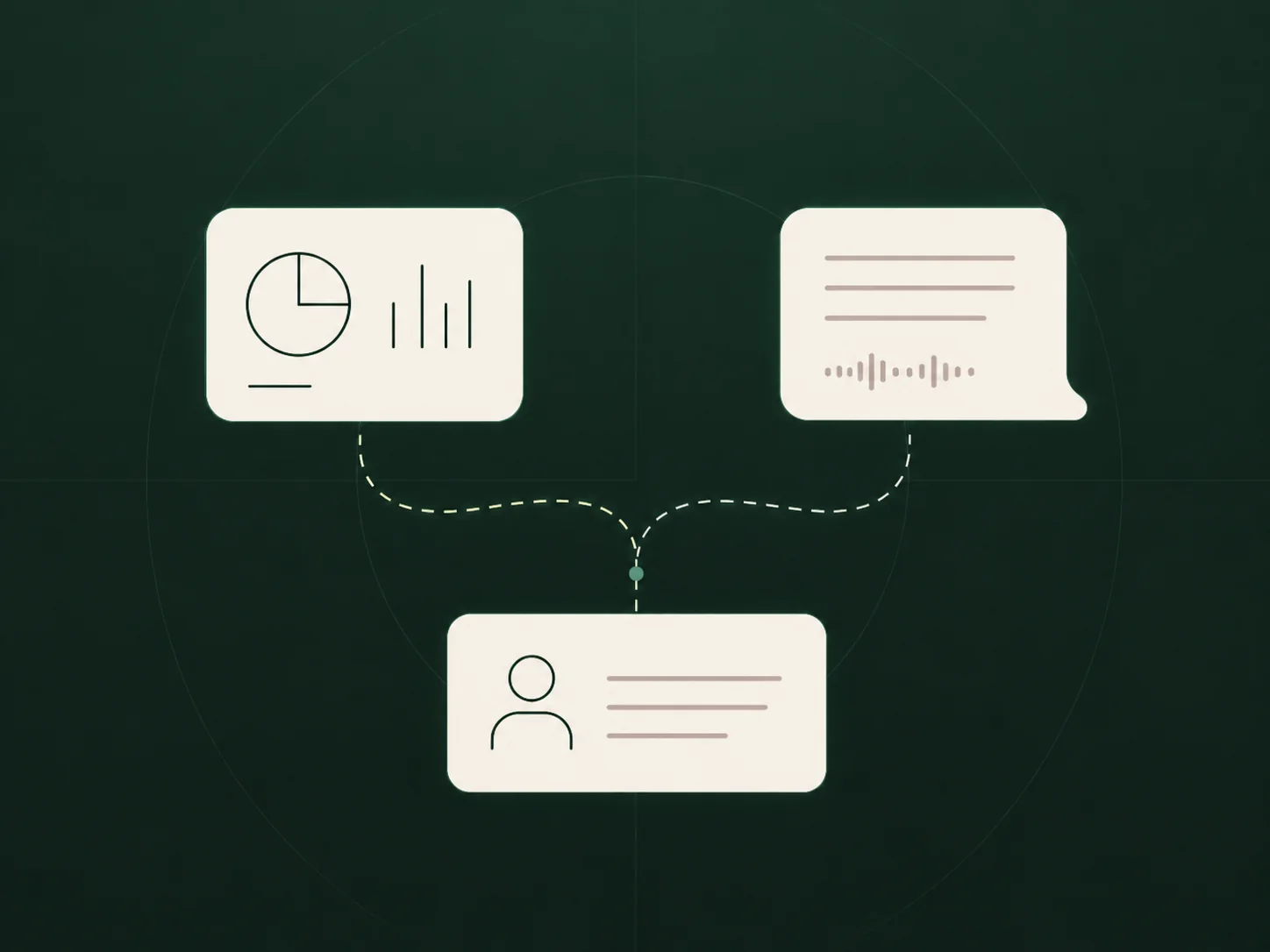
When you need to tie scattered notes and results into one story
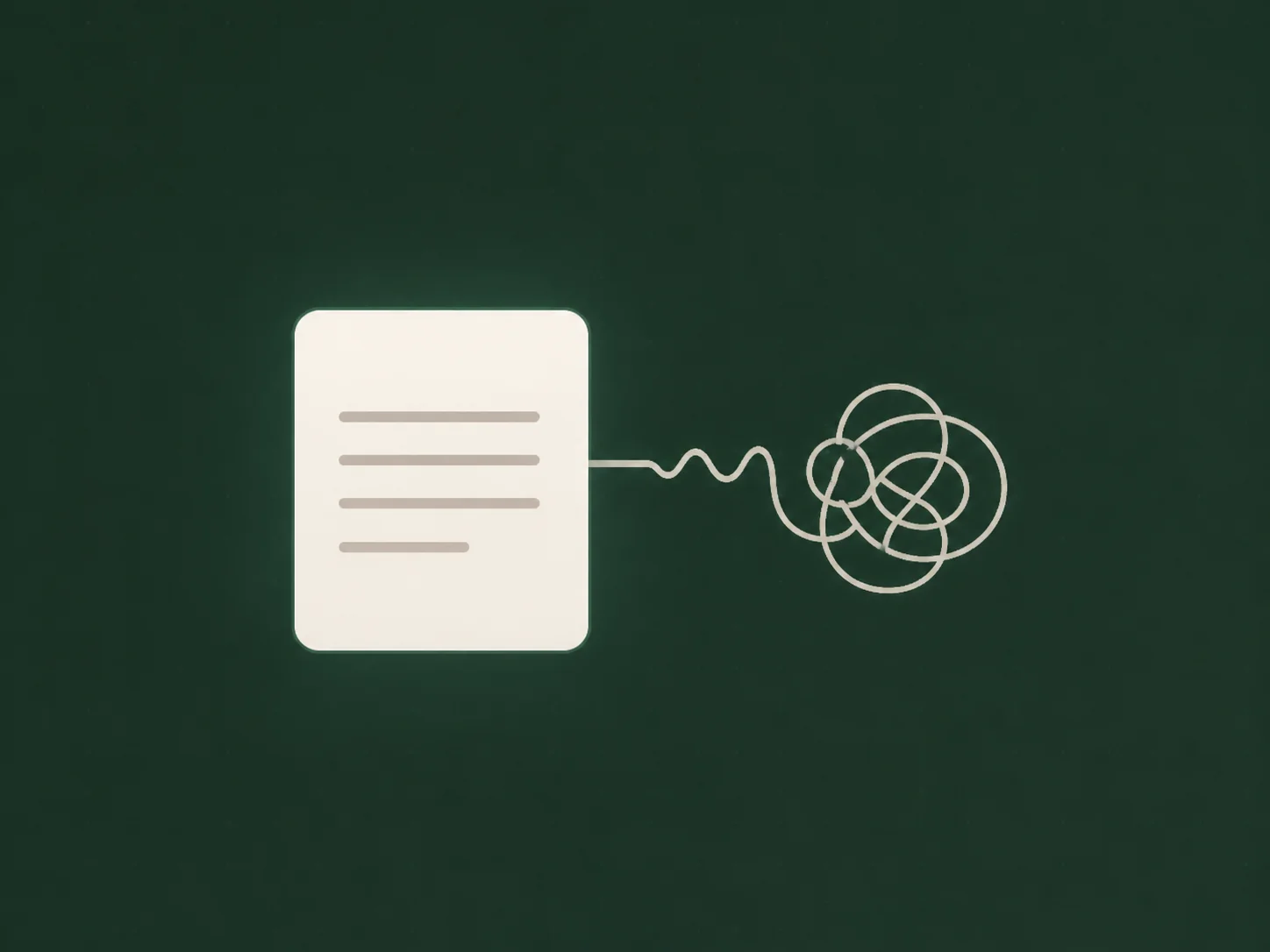
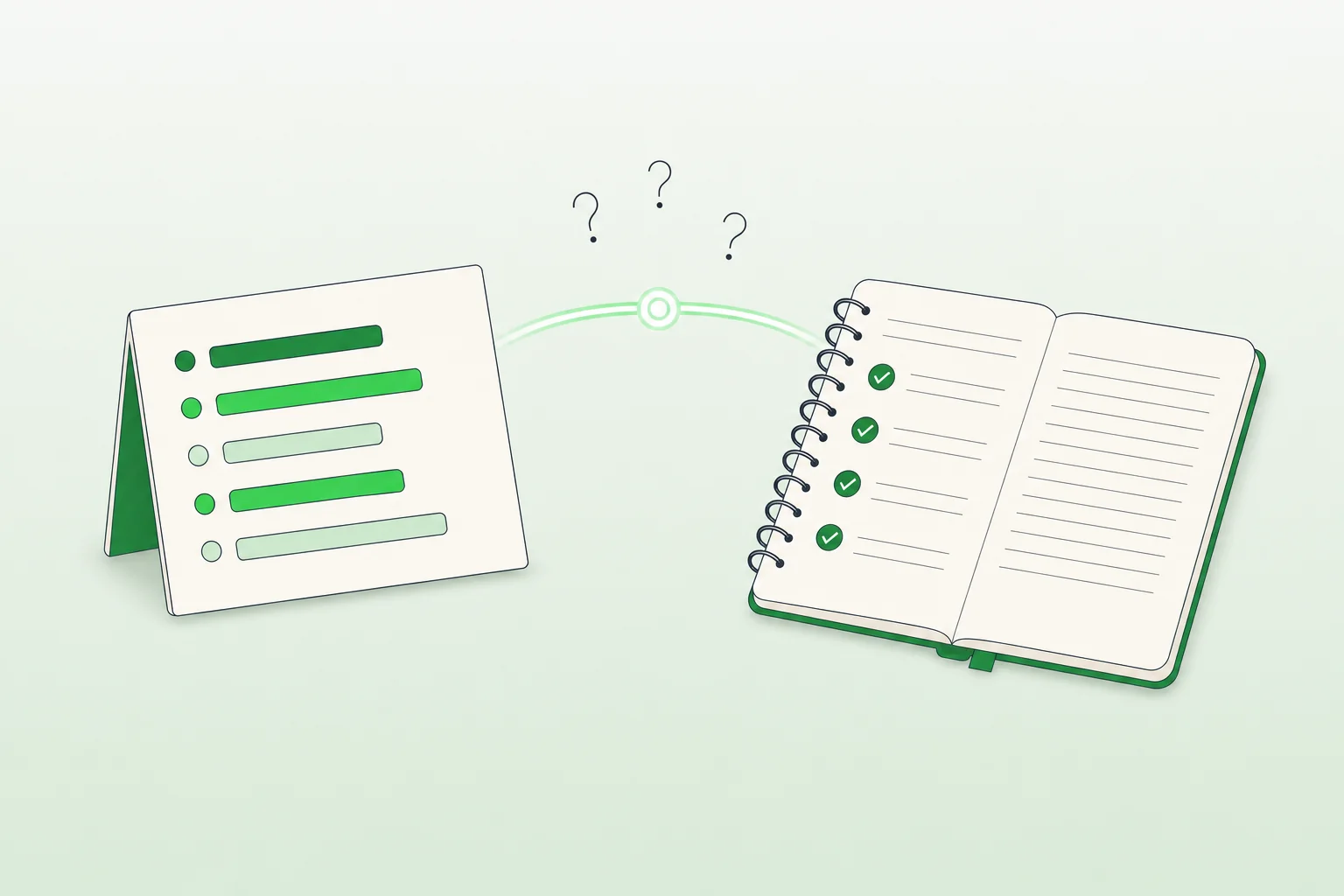
"When assessment results and session notes don't talk to each other,
Counselor interview
pulling them into a single story is the hardest part."
NEWFirst month free for new counselors & therapists · Start for free →
The work of documenting and interpreting a session doesn't end when the session does.
Modalia AI organizes it all securely and carries it into your next one.
3 safeguards protecting your counseling records
Session records are encrypted before storage and kept only in protected form.
Records are used only for the task in front of them — they're never kept as AI training data.
Information that could identify a client is masked by default and can only be revealed when needed.
Client Jamie Carter can be reached at +1 555-0142.
Affiliated with: Downtown Counseling Center, session in progress.
Sensitive information is only revealed when needed
"When assessment results and session notes don't talk to each other,
Counselor interview
pulling them into a single story is the hardest part."
"Re-documenting the same session across every form
Agency counselor interview
keeps pushing my end-of-day later and later."
"The notes are there —
Practicing therapist interview
but I still have to go back and re-read everything to find my place."
In every case, the pieces stay disconnected — integrating, reviewing, and linking them is still left to the counselor
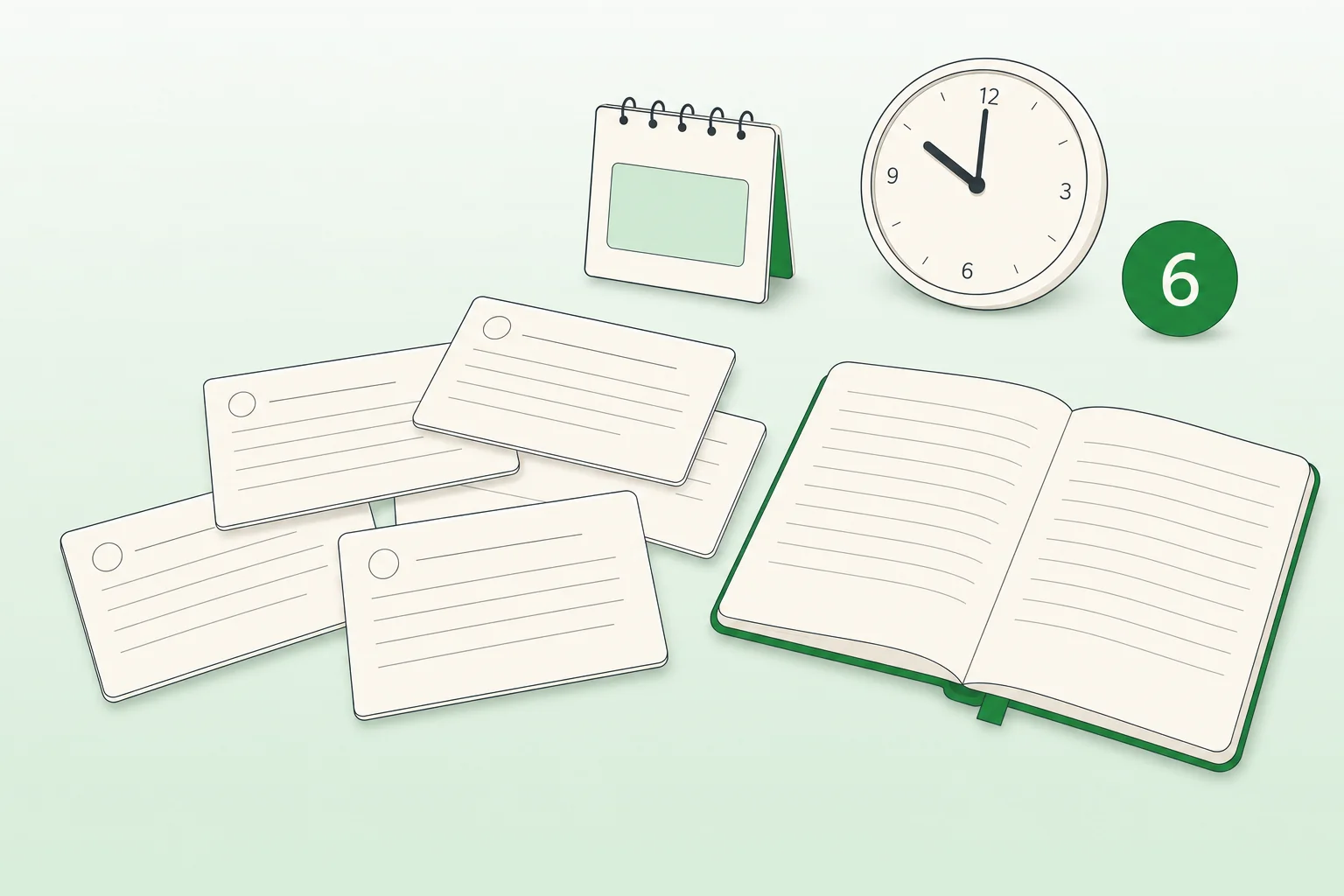
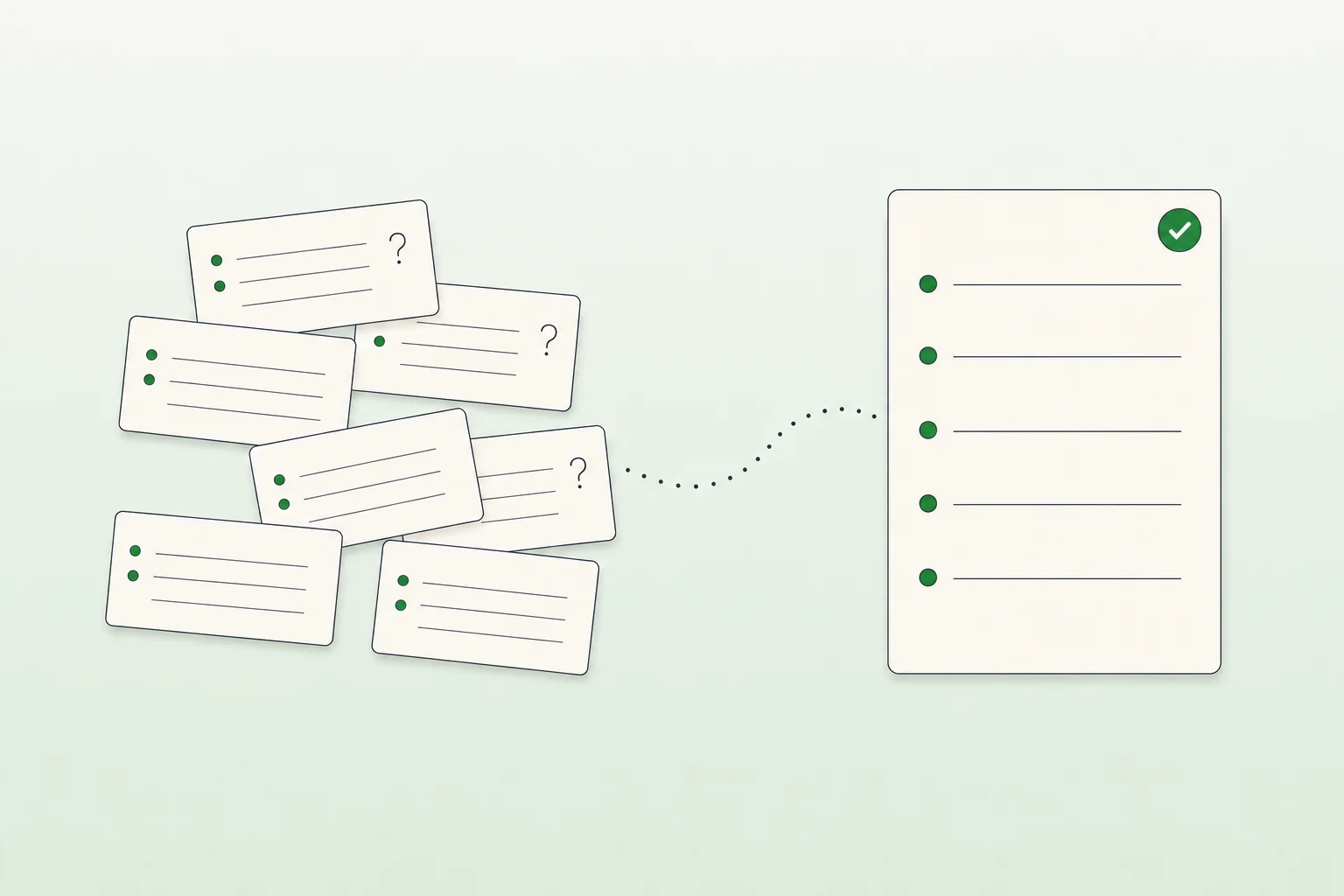
Modalia AI separates and organizes what the counselor and client said, creating a foundation for your session notes.
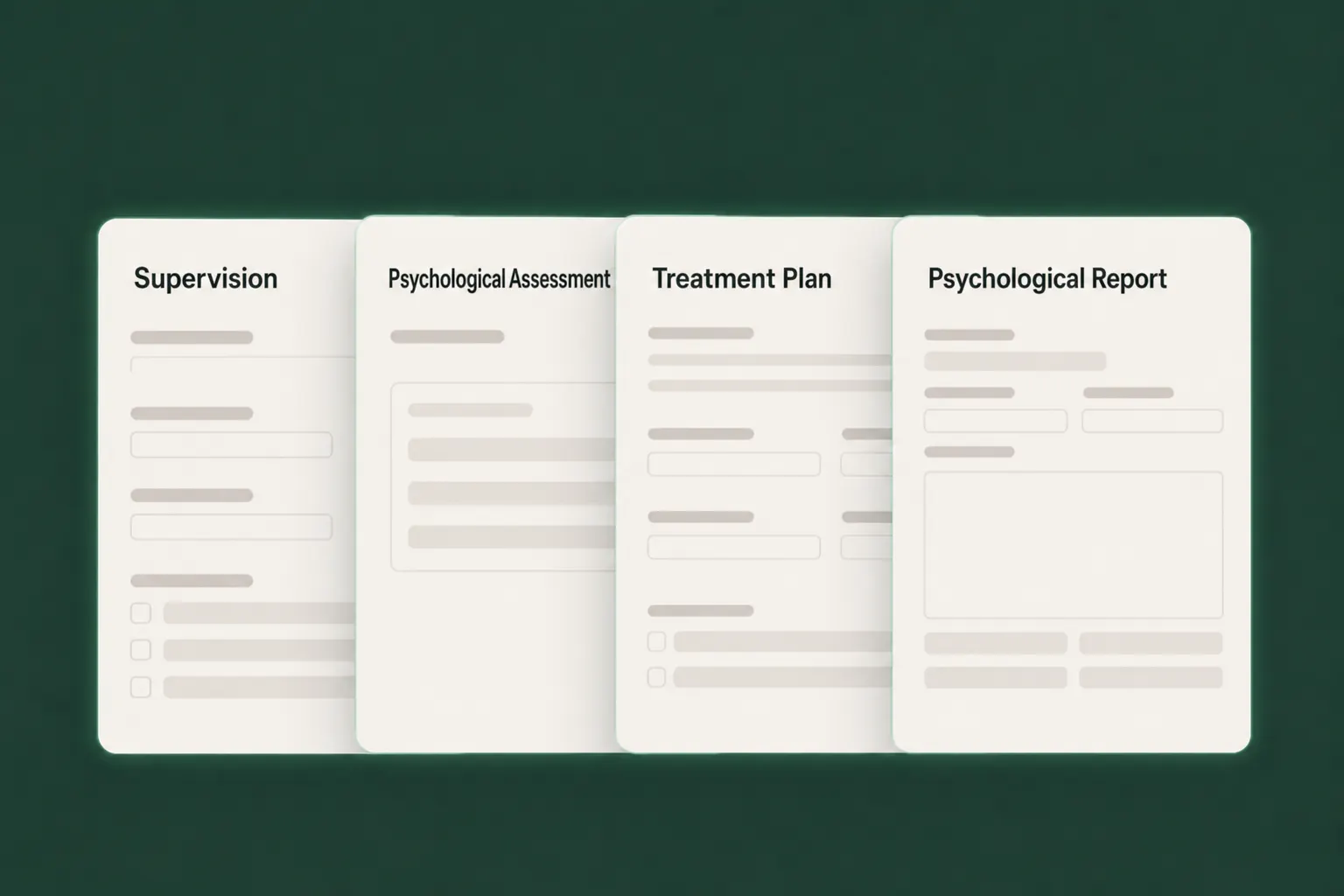
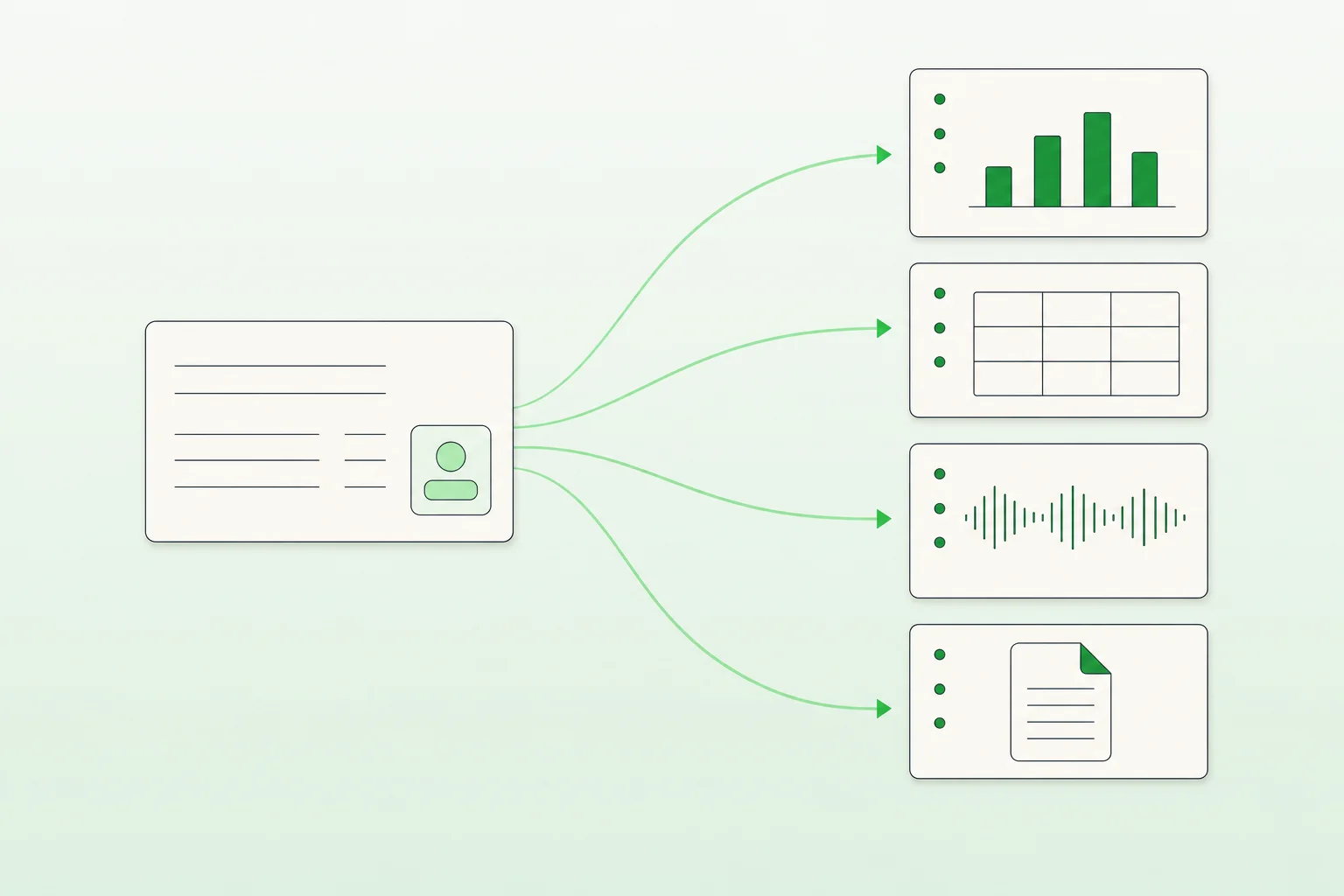
Using session notes and recordings, Modalia AI drafts SOAP, DAP, Family Center notes, and agency-submission records — each adapted to its purpose.
Modalia AI organizes recurring emotions, relationships, and thought patterns into a hypothesis draft for the counselor to review.
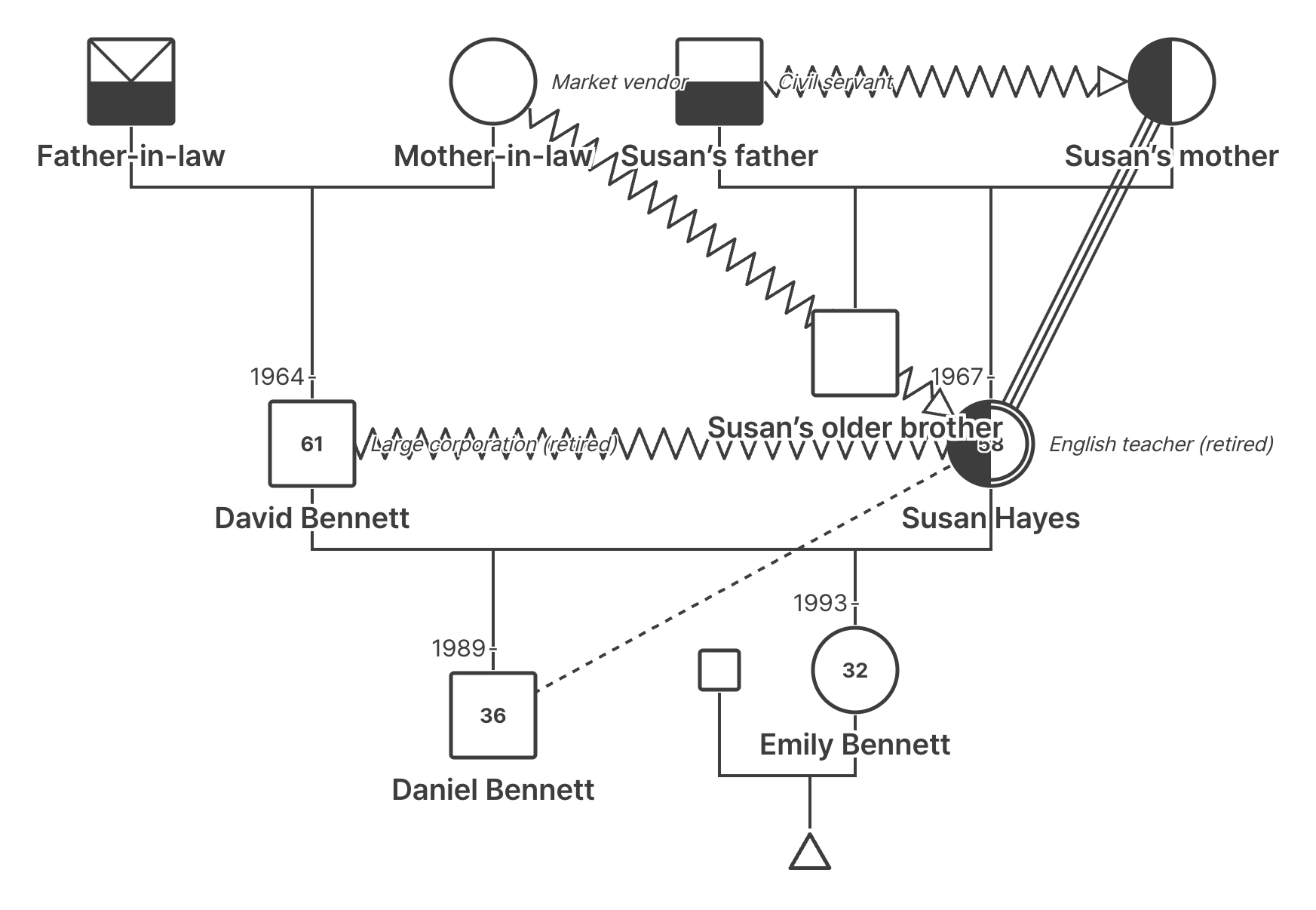
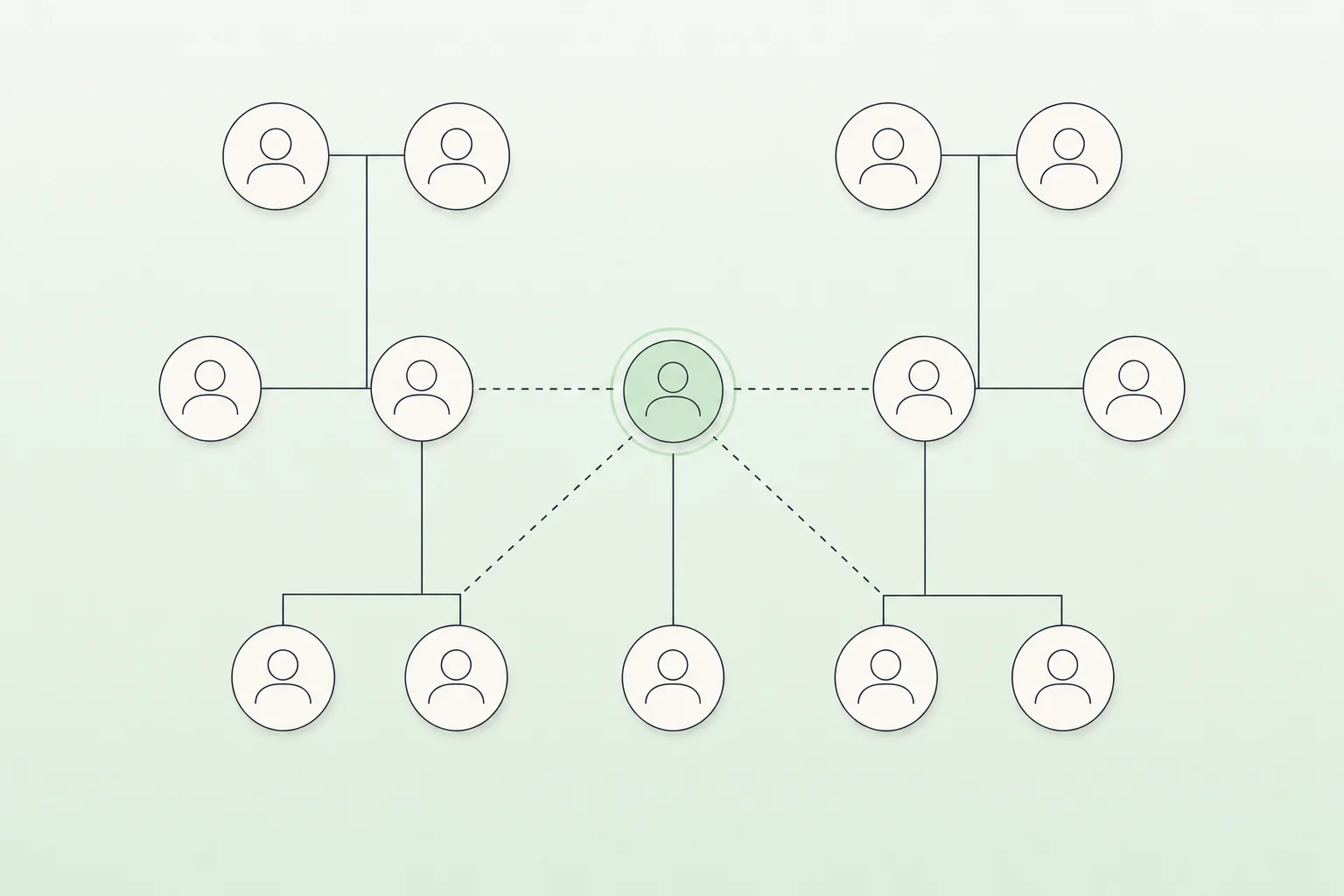
Modalia AI uses family member information, relational cues, and conflict patterns to help organize a genogram and draft interpretive notes.
Modalia AI reviews assessment results alongside session notes, then surfaces cues and follow-up questions for the counselor to examine.
Pick a sample session and see the session note draft Modalia AI prepared.
The counselor drowning in documentation
The session is over, but the paperwork keeps slipping to the next day.
Turn session recordings and rough notes into a ready-to-review session note draft.
The counselor stuck connecting assessment to session
I have the test scores, but I don't know how to connect them to what actually happened in the room.
Bring assessment results and session records together into a draft integrated interpretation.
The counselor prepping for supervision
I can't figure out what the core case question even is.
Organize case conceptualization and supervision questions from session patterns and recurring cues.
The counselor locked into institutional forms
The session content is the same, but the submission template is always different.
Reformat session records to fit institutional and reporting templates.
The counselor mapping complex family systems
I can sense the relational dynamics, but putting them into a structure is hard.
Organize family cues and relational information into a genogram-centered summary.
A general-purpose AI that produces answers inside a chat window
The session records you input may be used to train the model.
Client records end up mixed across multiple separate chat threads.
You have to copy-paste previous session summaries and progress notes each time.
Without a counseling context, responses can drift into generic advice.
SOAP notes, institutional forms, and other templates require a fresh prompt each session.
A specialized AI agent built for counselors and therapists
Client data is never used to train AI models.
Session records accumulate and are managed in dedicated per-client folders.
Accumulated session records flow naturally into preparation for the next appointment.
Drafts are grounded in counseling expertise and accumulated clinical material.
Session notes, institutional forms, and supervision templates are ready to use.
Modalia AI does not replace the counselor's judgment.
It keeps session records safe and helps carry them forward to your next appointment.
Behind the numbers,
there are reasons counselors keep coming back.
Jotting down the session flow right after it ends means I'm no longer reconstructing memories after work. With less mental effort spent on notes, I can stay more present during the session itself.

When I wasn't sure what to bring, having the session highlights and discussion points already laid out is a real help. Putting together materials for my supervisor takes far less time now.

Even when each center uses a different template, I can organize the same session content in a single cohesive flow. Rewriting the same notes for every form is a thing of the past—administrative overhead dropped noticeably.

A first draft gets pulled together in a short window right after the session, so I'm no longer spending evenings wrestling with half-remembered details. I can review the session flow without losing anything.

I used to think mid-session, 'How am I going to write this up later?' Now I stay more present with clients during the session, then just refine the draft afterward.

When case conceptualization hits a wall, reading a draft organized from a different angle surfaces clues I'd missed. I use it less as a finished product and more as a checkpoint for my own judgment.

Time spent re-entering the same content for each institutional format has dropped. I can keep the session narrative intact while adapting it to whatever structure is needed.
The draft comes out in a tone close to how I write, so instead of starting from scratch I only touch up what needs changing. Even administrative reports flow more naturally now.
Individual counselors new to Modalia AI
Established individual counselors
Full-time counselors or small teams
Centers · Hospitals · Schools
Typical usage figures are examples based on average session documentation. Actual credit usage varies by task type and note length.
No. Modalia AI is built on the principle that client data is never used for AI training. Session records are processed to generate outputs, but are not used as model retraining data.
Session records are encrypted before storage. Access is restricted to the minimum necessary scope, and sensitive information can be de-identified by the user at any time.
Yes. Counselors will be able to request or directly manage record deletion. For institutional accounts, retention periods, deletion policies, and access control guidelines can be arranged through a separate agreement.
Whether starter credits are included and how many will be announced after our operational policies are finalized. For now, you can explore the output flow through sample demos and select features.
Credit usage varies by task type and the length of the session record. For example, tasks with different processing scopes — such as transcripts, session notes, case conceptualizations, and psychological test interpretations — may use different amounts.
Credits on a monthly subscription plan are renewed each month and used within that billing cycle. Unused credits do not roll over to the next month; they reset with the next billing cycle.
The exact deduction structure will be announced after our operational policies are finalized.
Plan changes and cancellations will be self-managed by users. Institutional plans may require a separate process depending on contract terms.
We are preparing templates tailored to counseling workflows — including standard session notes, SOAP, case conceptualizations, institutional formats, and supervision prep. Institution-specific formats can be added over time.
Yes. Even without a recording or transcript, you can use certain features based on counselor notes, interview records, or assessment results. That said, richer and more specific input data will generally produce a more detailed output draft.
Didn't find the answer you were looking for?
We'll walk you through it in an adoption consultation.