When It's Not a Lovers' Quarrel: Counseling Survivors of Dating Violence and Stalking
A clinician's guide to the psychology of trauma bonding, building concrete safety plans, and bridging survivors of dating violence and stalking to legal protection.
Key takeaway
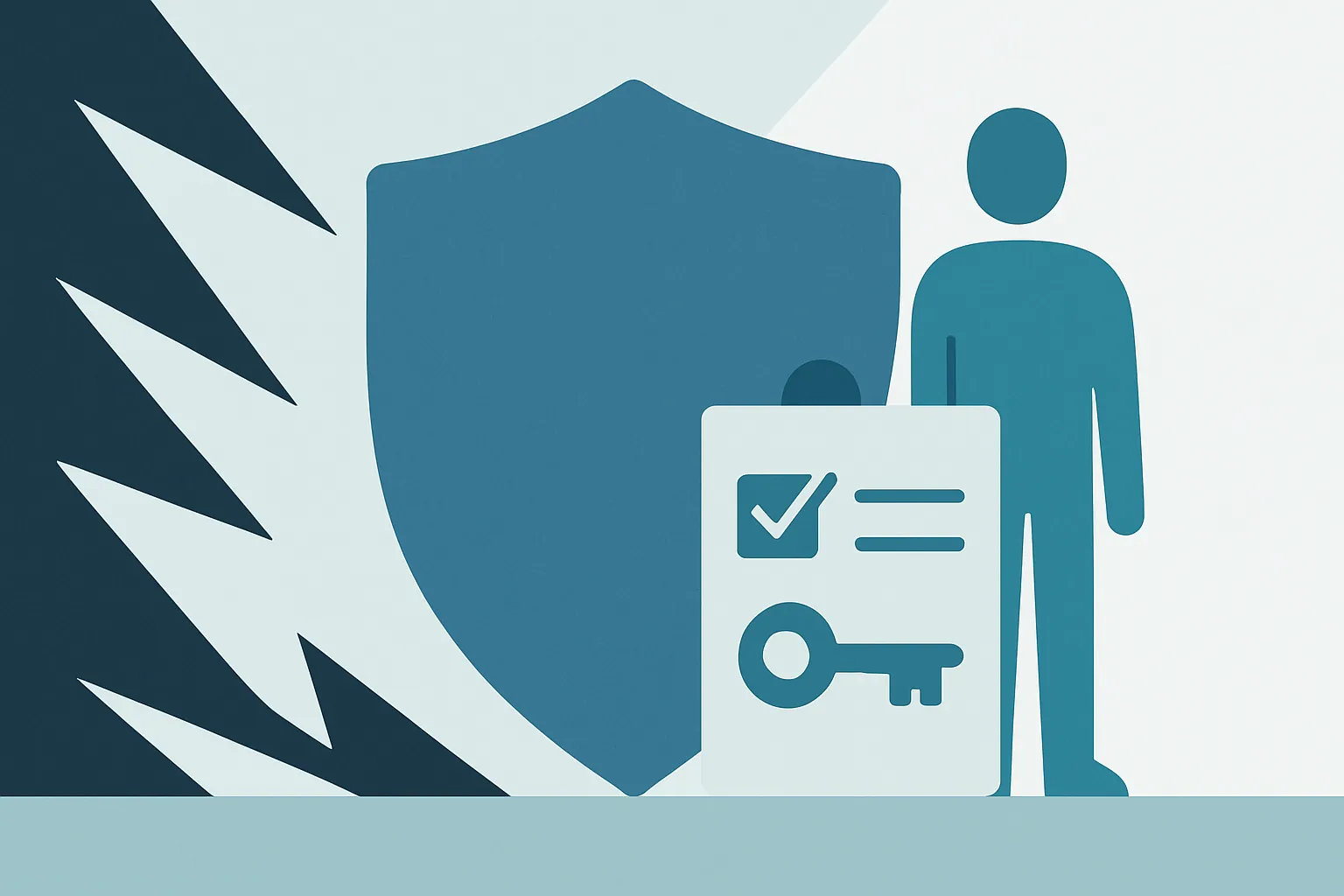
Survivors of dating violence and stalking often stay because intermittent reinforcement forges a trauma bond and erodes agency into learned helplessness. Effective counseling goes beyond empathy: the clinician co-creates a concrete, scenario-based safety plan covering escape routes, digital security, and an emergency kit. Because recent stalking legislation has made legal action a powerful protective tool, clinical documentation now carries evidentiary weight—making accurate records and warm referrals to legal and advocacy services central to keeping clients safe.
"This Is Not a Lovers' Quarrel": From Empathy to a Survival-Focused Safety Plan
If you have noticed more clients walking into your office naming dating violence or stalking as their presenting concern, you are not imagining it. What was once dismissed as ordinary couple conflict or the messy noise of a breakup is now recognized for what it is: a life-threatening pattern of coercion and a profound psychological trauma.
As clinicians, we sit with a particular dilemma. Is it enough to empathize with and hold the client's emotional pain? What is the use of intrapsychic work if the client's physical safety tonight is not assured? These questions weigh heavily—especially when a perpetrator is monitoring the client's every movement or exerting psychological control through gaslighting. In those moments, the consulting room has to become more than a space for healing. It becomes, in effect, a planning base for survival.
This article looks at the work through a clinical lens: understanding the psychological dynamics that keep survivors tethered to abuse, co-creating a concrete safety plan, and recognizing the role of legal referral and documentation that clinicians cannot afford to overlook.
1. Why They Can't Just Leave: Trauma Bonding and Coercive Control
One of the hardest moments in session is watching a client—facing unmistakable violence—remain unable to end the relationship, or even defend the person harming them. The clinician's task here is not to feel frustrated or to take a judgmental stance. It is to first understand the pathological attachment and fear that bind the client in place.
Trauma Bonding
Intermittent reinforcement is the engine of abusive relationships. The perpetrator follows episodes of violence and degradation with intense warmth and affection—"love bombing." Because the reward is unpredictable, the client clings to the fantasy that "if I just try harder, this person will change," and the attachment to the abusive cycle deepens like an addiction.
Learned Helplessness and Cognitive Dissonance
Sustained surveillance and control dismantle a person's sense of autonomy. In a state of learned helplessness—"no one can help me"—it is extraordinarily difficult to mobilize the energy required to escape. At the same time, reconciling the reality that someone they loved is also their abuser produces painful cognitive dissonance. To resolve it, clients may minimize the abuse or turn blame inward, defense mechanisms that further obscure the danger they are in.
2. The First Priority: A Concrete, Practical Safety Plan
In this work, safety is a non-negotiable precondition, and helping a client build actionable steps for a crisis is part of our ethical duty. What survivors need is not abstract advice but a meticulous, scenario-based plan.
The distinction below clarifies how safety planning here differs from the general crisis work clinicians may be more familiar with.
| Dimension | General Crisis Counseling (e.g., suicide/self-harm) | Dating Violence & Stalking |
|---|---|---|
| Core focus | Regulating the client's internal impulses; emotional stabilization | Physical avoidance of and defense against an external threat (the perpetrator) |
| Environmental control | Removing means of harm; inviting a support person | Changing routines, changing passwords, hardening phone security, securing a shelter |
| Support resources | Connecting to family and friends for emotional support | Prioritizing formal intervention—police, crisis hotlines, legal representation |
| Goal | Easing psychological pain; preserving life | Physical and psychological separation from the perpetrator; preserving legal evidence |
A Checklist to Walk Through Together
- 🚨 Map an emergency exit. Which route out of the home can the client take without stopping for shoes? If their phone is taken, which neighbor can they reach for help?
- 📱 Audit digital security. Check whether the perpetrator has installed location-tracking apps or shares access to cloud accounts. Changing passwords and setting social media to private is essential—as is reviewing shared logins, family-plan settings, and connected devices.
- 🎒 Prepare an emergency kit. Guide the client to store, in a safe place, copies of ID, cash, a spare set of keys, evidence (e.g., a backup drive), and a change of clothes—ideally somewhere the perpetrator cannot access.
3. Legal Response and the Weight of the Record: We Are Handling Evidence
With the arrival of recent stalking legislation across many jurisdictions, legal action has become a powerful tool for protecting survivors. Yet many clients hesitate, deterred by the complexity of the process and the fear of retaliation. The clinician's role here is that of a bridge—helping the client reach the legal protections available to them.
Guidance on Preserving Evidence
Clients often want to delete the very records that could protect them. Part of our role is to gently educate: "These are memories you may long to erase, but they are evidence you cannot afford to lose." Threatening messages, recorded calls, medical documentation of injuries, security-camera footage, and a dated stalking log all matter. Objective data protects survivors far more reliably than an emotional account alone.
The Evidentiary Value of Case Notes
This is where the clinician's documentation becomes critical. What a client discloses in session shortly after an incident can become decisive evidence of the consistency and credibility of their account. Beyond the client's emotional state, record specific statements about the abuse, along with dates, times, and the perpetrator's behaviors, as precisely as possible. Accurate, contemporaneous notes can later corroborate a survivor's testimony.
Referral to Specialized Services
Direct legal advice falls outside the clinician's scope. Instead, connect clients proactively to the resources that can help—national domestic violence and stalking support lines, legal aid organizations offering free or low-cost representation, and sexual-assault or family-violence advocacy centers that provide coordinated medical, legal, and psychological support. Keeping current local and national referral information on hand is part of competent practice.
Closing: The Power of Precise Records to Protect a Client's Voice
Counseling survivors of dating violence and stalking can feel like walking on thin ice. The clinician's warmth helps rebuild a client's shattered sense of self-worth; a clear-eyed safety plan helps protect their life. We are asked to hold both roles at once.
In high-risk work like this, accurate documentation and record-keeping matter more than almost anything else. Every detail a client discloses about their experience may later become a shield—corroborating the harm done and protecting the survivor in a legal setting. But in the urgency of a session, writing everything by hand or relying on memory has real limits, and those gaps can be costly.
This is one reason many clinicians are now adopting secure, AI-assisted documentation and transcription tools. By accurately converting an entire session to text and organizing a client's key statements and the circumstances of the abuse, clinicians can lift the burden of note-taking and stay fully present to a client's safety and healing. Patterns surfaced in the conversation can also help a clinician notice risk signals they might otherwise have missed. Modalia AI was built for exactly this kind of work—a security-first partner for counselors that handles transcription, case conceptualization, and documentation so the clinical record stays both accurate and protected.
Action items for counselors
- ✅ Keep a posted list of local domestic violence and stalking support services within arm's reach of your desk.
- ✅ Prepare a reusable safety plan form you can complete together with a client.
- ✅ For cases with a high likelihood of legal proceedings, consider adopting a secure transcription service to strengthen the accuracy of your records.
Your careful intervention and precise records can be the strongest light for a client still standing in the dark.
Frequently asked questions
Why do survivors of dating violence often stay with or defend their abuser?
Two dynamics are usually at work. Intermittent reinforcement—abuse followed by intense affection—forges a trauma bond that keeps the client hoping the person will change. Sustained control also produces learned helplessness and cognitive dissonance, leading survivors to minimize the abuse or blame themselves. A judgmental stance only deepens the bind; understanding the mechanism comes first.
How is safety planning for stalking different from general crisis counseling?
General crisis work focuses on regulating internal impulses and emotional stabilization. Dating violence and stalking work centers on defending against an external threat: changing routines and passwords, hardening device security, securing a safe place to stay, and prioritizing formal supports like police, crisis lines, and legal representation over informal ones alone.
What role do counseling records play in legal proceedings?
Contemporaneous case notes can corroborate the consistency and credibility of a survivor's account. Beyond emotional state, document specific statements about the abuse along with dates, times, and the perpetrator's behaviors. While direct legal advice is outside a counselor's scope, accurate records can become decisive supporting evidence.
What belongs in a survivor's emergency kit?
Stored in a safe place the perpetrator cannot access: copies of identification, cash, a spare set of keys, evidence such as a backup drive, and a change of clothes. Pair this with a mapped escape route and a trusted neighbor or contact who can be reached if the client's phone is taken.
This article was written and reviewed using Modalia AI's clinical guidelines, with professional human review before publication.
Related articles
 Clinical Skills
How to Write Better Supervision Questions: Getting What You Actually Need from Your Supervisor
Stuck on what to ask in supervision? Use these structured question strategies to turn vague check-ins into focused clinical insight.
7 min read Clinical Skills
From "The Client Seems Depressed" to a Clinical Hypothesis: How Word Choice Elevates Your Case Reports
Turn vague observations into precise clinical hypotheses. A practical guide to terminology and sentence formulas that make your case reports read like expert work.
7 min read Clinical Skills
The Wounded Healer Trap: Why "I Want to Heal Myself" Sinks Your Counseling Grad School SOP
Why admissions faculty flinch at "I want to heal my own wounds"—and how to transform personal pain into a research-grade statement of purpose that gets you in.
6 min read